
SCC: 𝗔𝗿𝗯𝗶𝘁𝗿𝗮𝘁𝗼𝗿 𝗰𝗵𝗮𝗹𝗹𝗲𝗻𝗴𝗲𝘀 𝗶𝗻 𝘁𝗵𝗲 𝗮𝗴𝗲 𝗼𝗳 𝘀𝗼𝗰𝗶𝗮𝗹 𝗺𝗲𝗱𝗶𝗮: 𝘄𝗵𝗮𝘁 𝗱𝗼𝗲𝘀 "𝗽𝗼𝗹𝗶𝘁𝗶𝗰𝗮𝗹 𝗼𝗽𝗶𝗻𝗶𝗼𝗻" 𝗺𝗲𝗮𝗻 𝗳𝗼𝗿 𝗶𝗺𝗽𝗮𝗿𝘁𝗶𝗮𝗹𝗶𝘁𝘆? As geopolitical tensions...
Published on August 11, 2026
𝗔𝗿𝗯𝗶𝘁𝗿𝗮𝘁𝗼𝗿 𝗰𝗵𝗮𝗹𝗹𝗲𝗻𝗴𝗲𝘀 𝗶𝗻 𝘁𝗵𝗲 𝗮𝗴𝗲 𝗼𝗳 𝘀𝗼𝗰𝗶𝗮𝗹 𝗺𝗲𝗱𝗶𝗮: 𝘄𝗵𝗮𝘁 𝗱𝗼𝗲𝘀 "𝗽𝗼𝗹𝗶𝘁𝗶𝗰𝗮𝗹 𝗼𝗽𝗶𝗻𝗶𝗼𝗻" 𝗺𝗲𝗮𝗻 𝗳𝗼𝗿 𝗶𝗺𝗽𝗮𝗿𝘁𝗶𝗮𝗹𝗶𝘁𝘆?
As geopolitical tensions reshape the international arbitration landscape, parties are scrutinising arbitrators' backgrounds more closely than ever, and social media has become a primary hunting ground.
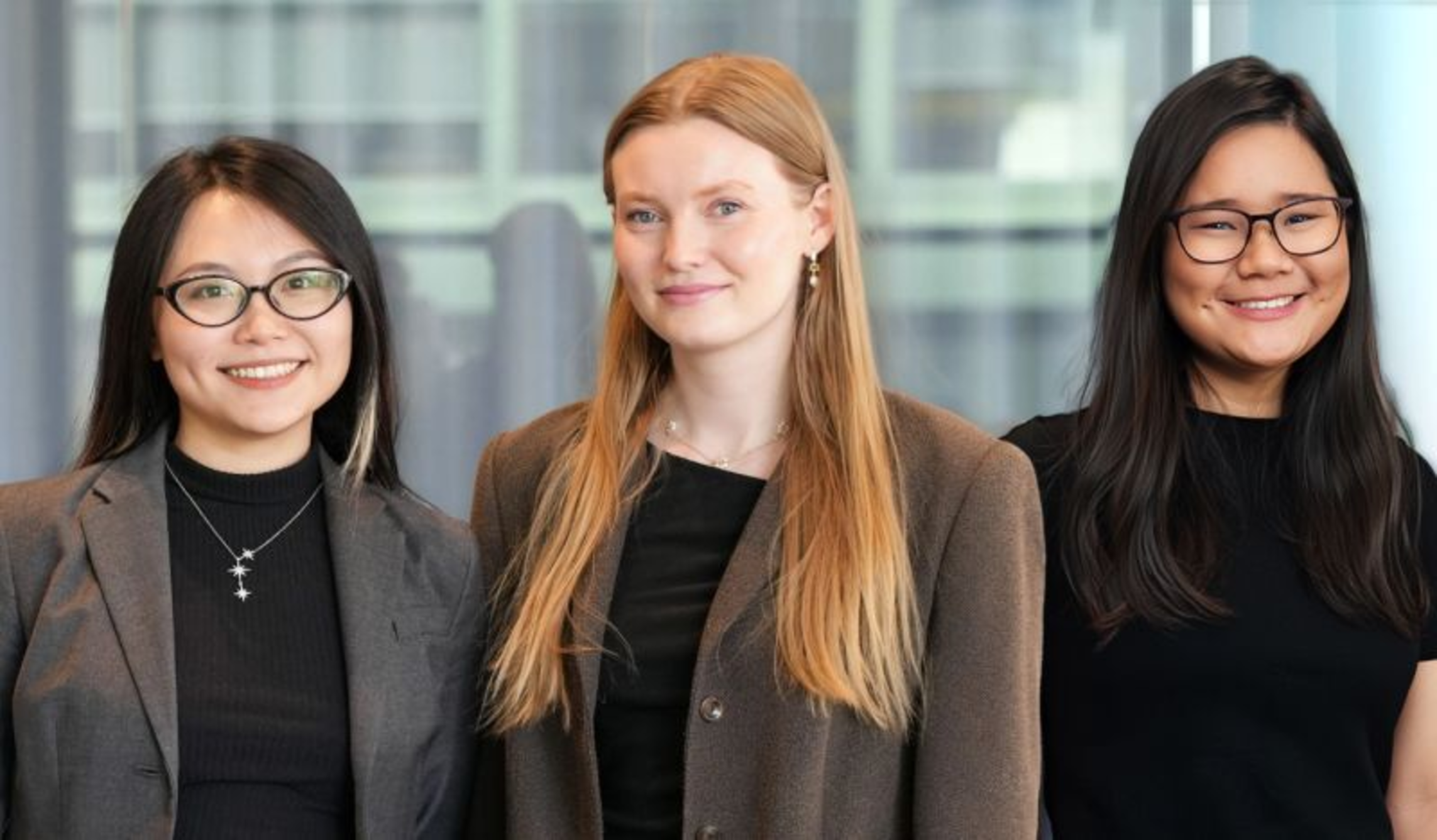
In a new article for Kluwer Arbitration Blog, our Legal Counsel Emma Garrett and Yi Ting Sam, together with former SCC Visiting Professional Lexie Gao (高倩), build on our November 2025 Practice Note on arbitrator challenge decisions (2020–2024) by adding four previously unpublished cases from January 2025 to June 2026. Together, the eight decisions examined offer a consolidated view of how the SCC Board approaches challenges grounded in political opinion.
Three factors consistently shape the Board's analysis:
🔹 𝗔𝘁𝘁𝗿𝗶𝗯𝘂𝘁𝗶𝗼𝗻 — a law firm's or chambers' political stance is not automatically attributed to an individual arbitrator; to date, no challenge based on firm-level conduct…